The Impact of AI in Modern Medicine
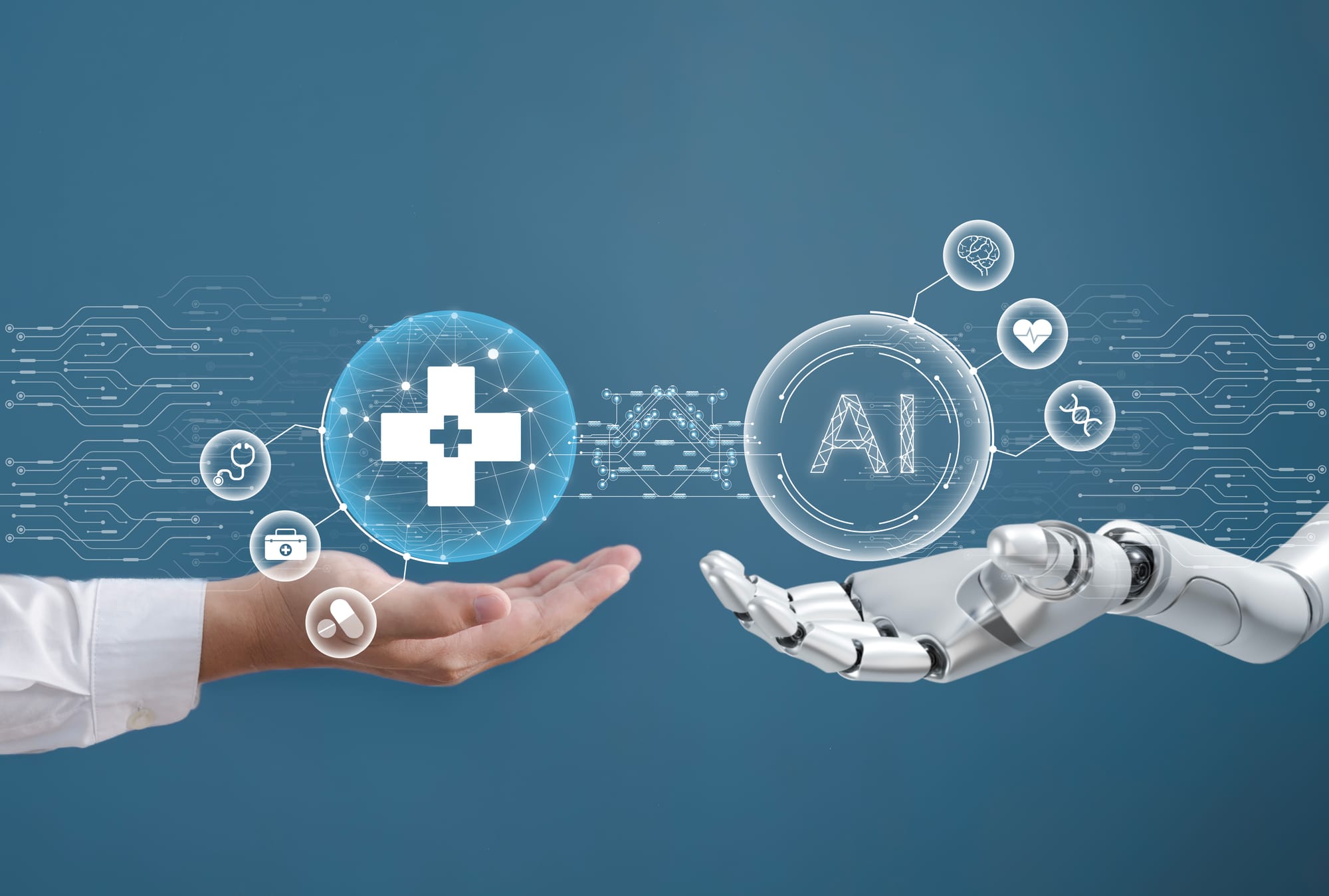
Top 10 Ways AI is Revolutionizing Medicine
Artificial Intelligence (AI) is transforming industries across the globe, and the field of medicine is no exception. From diagnosing diseases faster to customizing patient care, AI is creating groundbreaking changes in how healthcare is delivered. Below are the top ways AI is revolutionizing medicine:
- 1. Early Disease Detection
One of the most significant applications of AI in medicine is early disease detection. AI algorithms can detect patterns in imaging studies, blood tests, and patient histories that doctors might overlook. For example, AI has shown its capability to identify early-stage cancers from mammograms or lung scans, enabling treatment before the disease progresses.
- 2. Medical Imaging and Diagnostics
AI-driven tools excel in interpreting medical images like X-rays, MRIs, and CT scans. AI-powered software can help radiologists identify abnormalities more quickly and accurately. For instance, AI algorithms are being used to diagnose conditions like fractures, tumors, or even rare genetic disorders based on imaging data.
- 3. Personalized Medicine
AI enables personalized medicine by analyzing genetic data, patient history, and environmental factors to create tailored treatment plans. Pharmacogenomics, which determines how genes affect an individual's response to medications, is one area where AI is making significant progress, helping doctors prescribe the right drug for each patient.
- 4. Drug Discovery and Development
Traditional drug development is a time-consuming and expensive process, often taking years of research and costing billions of dollars. AI is accelerating this process by analyzing vast datasets to identify potential drug candidates quickly. Simultaneously, AI can predict how effective a drug might be, reducing the chances of failure during clinical trials.
- 5. Virtual Health Assistants
A growing number of virtual health assistants, powered by AI, are helping patients manage their health. These assistants can answer medical questions, remind patients to take their medications, and even help schedule doctor appointments. This level of support helps improve patient engagement and adherence to treatment plans.
- 6. AI-Powered Surgery
AI is playing a crucial role in enhancing precision during surgeries. Robotics aided by AI, such as the da Vinci Surgical System, allows surgeons to perform minimally invasive procedures with high accuracy. AI can also assist in planning surgeries by simulating the operation and predicting potential complications.
- 7. Predictive Analytics for Patient Care
AI tools can predict patient outcomes by analyzing health records and other data. For example, hospitals use predictive analytics platforms to identify patients at risk of complications, enabling timely intervention. Such proactive measures improve patient care and reduce hospital readmissions.
- 8. Remote Monitoring and Telemedicine
AI is helping bridge the gap between patients and doctors through telemedicine and remote monitoring. Wearables equipped with AI algorithms collect real-time health data, like heart rate, blood pressure, and oxygen levels, which can then alert healthcare providers to abnormalities. This approach is especially beneficial for managing chronic conditions.
- 9. Mental Health Support
AI is making strides in mental health by offering tools like chatbots and apps to support users suffering from anxiety, depression, or stress. These platforms utilize AI to provide coping strategies, perform mood assessments, and even alert caregivers if signs of severe mental distress are detected. This ensures timely intervention and support for patients.
- 10. Streamlining Administrative Tasks
AI is reducing the administrative burden on healthcare providers by automating mundane tasks like billing, appointment scheduling, and record keeping. Natural language processing (NLP) also enables AI to transcribe doctor-patient interactions into electronic health records, saving time and allowing physicians to focus more on patient care.
Conclusion
The integration of AI into medicine is not only enhancing efficiency but also improving patient outcomes. From diagnostics to personalized therapy and even administrative tasks, AI is redefining the possibilities in healthcare. While there are still concerns regarding data privacy and biases in algorithms, the opportunities AI brings to the medical world are undeniably transformative. The future of medicine powered by AI seems brighter than ever.